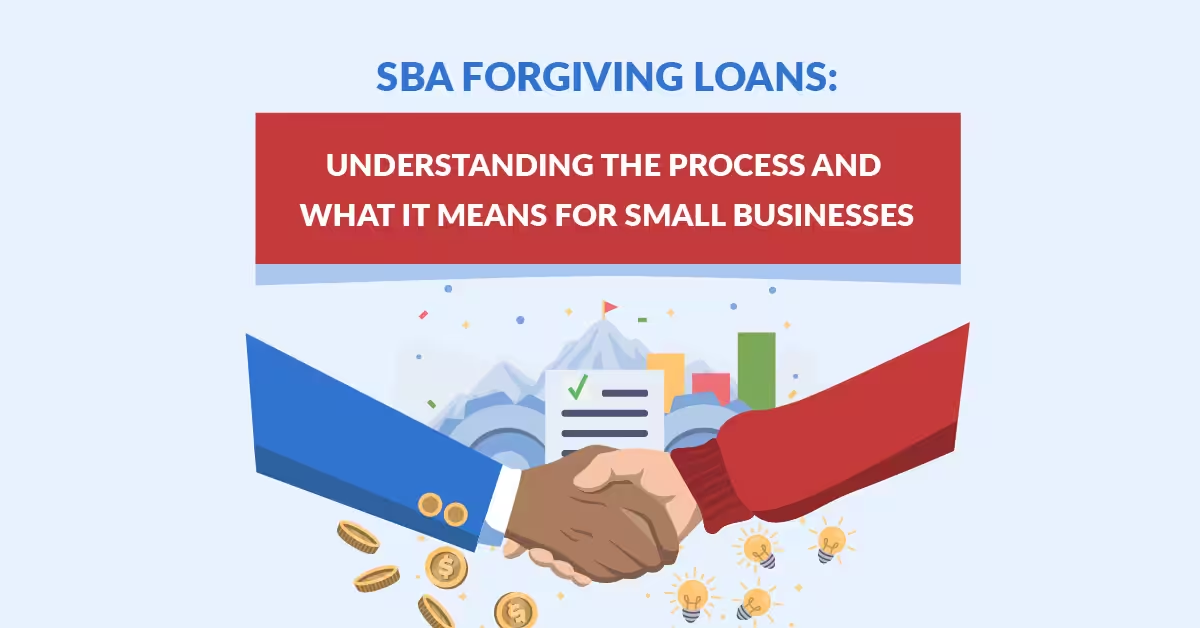
Standard SBA loans — 7(a), 504, EIDL — are not forgivable. Loan forgiveness was a feature of the Paycheck Protection Program, a distinct, temporary pandemic-era program that stopped accepting applications years ago. If you’re struggling to repay a current SBA loan, forgiveness isn’t the option on the table — but modification, deferment, and, in default, an Offer in Compromise are.
Why “SBA Forgiving Loans” Is a PPP Artifact, Not a Current Feature
PPP loans could be fully or partially forgiven if the funds were spent on qualifying payroll, rent, and utility costs and the business met documentation and headcount requirements. That program was genuinely unusual — a government-backed loan built from the start to convert into a grant under the right conditions. It is not how 7(a), 504, or EIDL loans work, and it never was. If a business owner is searching for “SBA loan forgiveness” today, the honest answer is: that specific mechanism ended with PPP, and standard SBA loans still need to be repaid in full.
What’s Actually Available If You’re Struggling to Repay
- Loan modification: the most common relief, typically a maturity-date extension that lowers the monthly payment by spreading the balance over more time. Documentation requirements to prove hardship have been eased in recent SBA guidance, making this easier to access than it used to be.
- Deferment: lenders can typically pause payments for 3, 6, or up to 12 months during a documented hardship, giving cash flow room to stabilize.
- Offer in Compromise (OIC): a real settlement option, but only once a loan is already in default and liquidation status — not available to borrowers who are current but anticipate future trouble. The settlement amount has to reasonably match what SBA could recover through collection, borrowers generally get one submission attempt, and any forgiven balance is reportable as taxable cancellation-of-debt income on Form 1099-C.
- Refinancing: if the loan is current but priced above today’s market, refinancing into a new SBA 7(a) loan can sometimes improve the payment — see our guide to refinancing an SBA 7(a) loan.
What Happens If You Default
A borrower generally has to be in default more than 60 days before a lender can request SBA purchase the guaranteed portion of the loan. At that point, SBA typically issues a 60-day demand letter; an account that stays unresolved gets referred to the U.S. Treasury for collection. This is the point at which an Offer in Compromise becomes available — reaching out to your lender before default, not after, keeps modification and deferment on the table instead.
Disaster Loans (EIDL) Are a Separate Question
The SBA’s Economic Injury Disaster Loan program doesn’t include forgiveness either, but it does offer real relief built into the loan structure: rates that won’t exceed 4% for businesses, a 30-year maximum term sized to ability to repay, and a first payment deferred a full 12 months with no interest accruing during that year. This is a standing, always-available program tied to declared disasters — not the closed COVID-19 EIDL program, which stopped accepting new applications on January 1, 2022.
How REIL Capital Helps
If your business is struggling with an SBA loan payment, the right move is contacting your lender before you fall behind — modification and deferment options narrow considerably once an account is in default. Explore SBA 7(a) financing if refinancing is the right fit, or read our guide to avoiding SBA loan default for proactive steps to take now.
FAQ
Can a standard SBA 7(a) or 504 loan be forgiven?
No. Forgiveness was specific to the Paycheck Protection Program, which closed years ago. Standard SBA loans must be repaid in full; the closest thing to relief on a defaulted loan is an Offer in Compromise, which is a settlement, not forgiveness.
What’s the difference between loan forgiveness and an Offer in Compromise?
Forgiveness cancels the debt outright under pre-set conditions (as PPP did). An Offer in Compromise is a negotiated settlement available only once a loan is in default and liquidation — you pay less than the full balance, but any amount forgiven is taxable as cancellation-of-debt income.
Does SBA EIDL offer loan forgiveness?
No, but it does include real built-in relief: a rate capped at 4% for businesses, up to 30-year terms, and a 12-month deferment on the first payment with no interest accruing during that period.
What should I do first if I can’t make my SBA loan payment?
Contact your lender before you miss a payment. Modification (term extension) and deferment are both easier to get proactively than after default — once an account is 60+ days past due, the options narrow to a demand letter, Treasury collection, and eventually an Offer in Compromise.