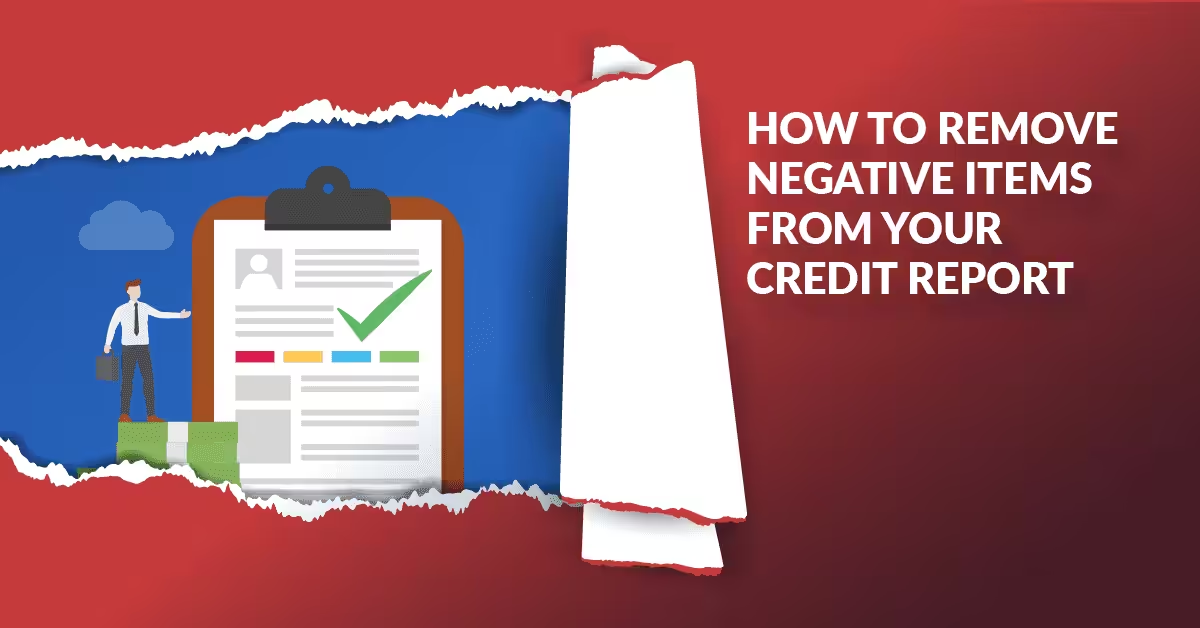
Removing a negative item from your business credit report comes down to two paths: dispute it if it’s inaccurate, or offset it by building a strong payment history if it’s accurate. If the item is tied to a personal guarantee, it may also show on your personal credit report, where federal law ages it off after seven years (bankruptcy up to ten) — business bureaus like D&B and Experian Business set their own retention policies and aren’t bound by that same timeline. Either way, you don’t have to wait it out to start rebuilding.
You may also find it helpful to read How Business Owners Are Using Artificial Intelligence.
For a deeper look at business finance strategies, explore our small business finance guides.
Step 1: Pull Your Business Credit Report
Start with a copy of your report from the major business credit bureaus — Dun & Bradstreet, Experian Business, and Equifax Business. Review it carefully to identify exactly which items need attention.
Step 2: Verify Accuracy
Business credit reports aren’t immune to errors. Check account balances, payment history, and other details against your own records. Discrepancies happen more often than you’d think.
Step 3: Dispute Inaccurate Items
If you find something inaccurate or outdated, each business bureau has its own dispute process — Dun & Bradstreet, Experian Business, and Equifax Business each let you submit a dispute with supporting documentation. Items they can’t verify are typically corrected or removed, though this is bureau policy rather than a statutory right the way it works for your personal credit report under the FCRA.
Step 4: Address Accurate Negative Items
For debts or late payments that are accurately reported, reach out to the creditor directly. Many are willing to negotiate a payment plan or settle the account, which can improve how the item shows going forward even if it doesn’t erase it immediately.
Step 5: Build Positive Credit to Offset It
The most reliable way to counter negative history is a growing record of positive credit — paying bills on time, keeping balances low, and managing accounts responsibly. This doesn’t erase the old item, but it dilutes its weight in your overall profile over time.
Step 6: Establish Trade References
Trade references with suppliers and vendors, paid on time, feed directly into your business credit score and help build a track record independent of any past negative marks.
Step 7: Monitor Regularly
Check your report periodically to confirm disputes and improvements are actually reflected — catching issues early keeps small problems from compounding.
For a different perspective on business funding, explore The Debt Avalanche Method: A Smart Way to Tackle Business Debt Efficiently.
When to Get Professional Help
If the process feels overwhelming or the issues are complex — multiple disputes, personal-guarantee entanglements, negotiating with several creditors at once — a credit repair service or credit counselor can help you navigate it.
How REIL Capital Helps
A less-than-perfect credit report doesn’t mean financing is off the table. REIL Capital works with business owners at every stage of rebuilding credit to find financing that fits where things stand today. Contact REIL Capital to talk through your options.
FAQ
How long do negative items stay on a business credit report?
That specific timeline — seven years, ten for bankruptcy — is the FCRA rule for your personal credit report, relevant if the item is tied to a personal guarantee. Business bureaus like D&B and Experian Business set their own retention policies and aren’t bound by the FCRA’s timeline. Either way, you don’t have to wait it out — disputing inaccuracies and building positive history both help sooner.
Can I remove an accurate negative item?
Not by disputing it — bureaus only remove items they can’t verify. For accurate items, your best path is negotiating with the creditor directly and building enough positive history to offset its impact.
Does disputing an item hurt my credit?
No. Filing a legitimate dispute doesn’t damage your credit report or score. On your personal report, the FCRA requires the bureau to investigate; on a business report, each bureau follows its own dispute process, and items they can’t verify are typically corrected or removed.