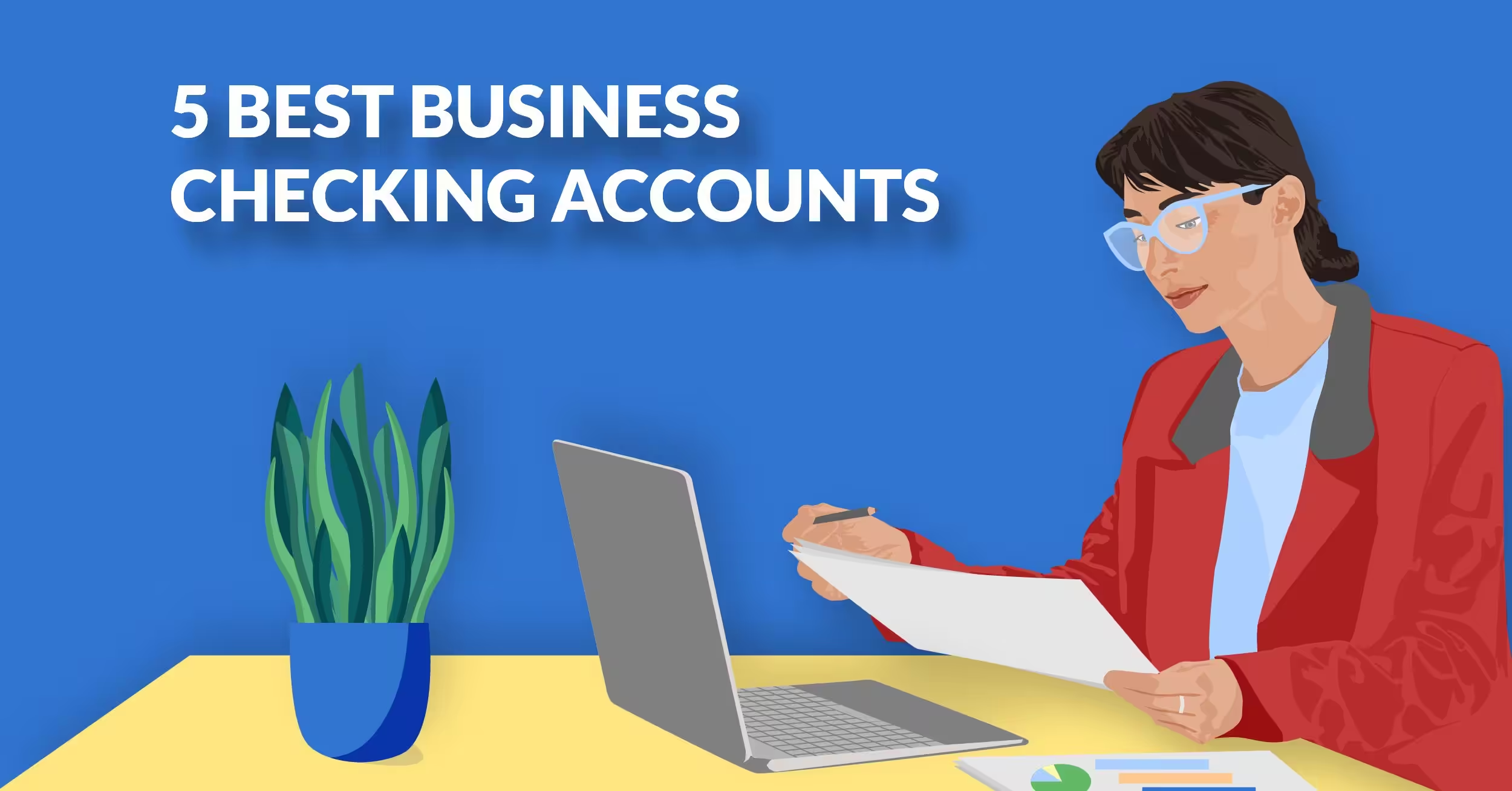
Digital-first business checking — no monthly fee, no minimum balance, high free-transaction caps — has become the mainstream default by 2026, not a niche option. The trade-off: many digital-first providers lack physical branches for cash deposits. Here’s how five widely-used options stack up on that trade-off, based on their generally-advertised feature sets — confirm current rates and offers directly with each provider before choosing, since terms change.
For a deeper look at business finance strategies, explore our business finance resources.
Chase Business Complete Checking
Best fit if you need physical branch access. Chase’s large nationwide branch and ATM network makes cash deposits and withdrawals straightforward, backed by a full-featured mobile and online banking platform — the trade-off is Chase’s fee-free tier typically requires maintaining a minimum balance or transaction activity.
Axos Basic Business Checking
An online-only account built around no monthly fees and no minimum balance, with unlimited domestic ATM-fee reimbursement — a solid fit for businesses that don’t need physical branch access and want to avoid ATM-network friction.
BlueVine Business Checking
Built specifically for small businesses and freelancers with no monthly fees or minimum balance, plus mobile check deposit and accounting-software integrations. BlueVine has historically paid interest on checking balances up to a cap — confirm the current rate directly, since yield offers move with the rate environment.
Wells Fargo Business Choice Checking
A traditional-bank option with flexible ways to waive the monthly fee (minimum balance or linked accounts) and a fuller cash-management toolset — the better fit for established businesses with more complex banking needs and Wells Fargo’s large branch network.
Novo Business Checking
An online-only platform aimed at startups and small businesses, with no hidden fees and deep integrations with tools like Stripe, Shopify, and QuickBooks — a strong fit if your business already runs on those platforms.
For related strategies, see The Debt Avalanche Method: A Smart Way to Tackle Business Debt Efficiently.
How to Actually Choose
Weigh transaction volume, how often you need physical cash deposits, account fees, and which software integrations matter to you. Traditional banks stay competitive on fee-free tiers when you can meet a balance minimum; digital-first providers win when you don’t need branches and want to avoid fees outright. There’s no single universal winner — the right pick depends on how your business actually banks.
How REIL Capital Helps
REIL Capital isn’t a bank and doesn’t offer checking accounts — this comparison exists purely to help you make an informed choice. If your business needs financing rather than a place to park cash, explore REIL Capital’s financing guides or apply directly.
FAQ
What’s the best business checking account in 2026?
There’s no single best option — it depends on whether you need physical branch access, how many free transactions you need monthly, and which software you already use. Digital-first accounts (Axos, BlueVine, Novo) win on fees; traditional banks (Chase, Wells Fargo) win on cash-handling and branch access.
Do I have to pay monthly fees for business checking?
Not necessarily. Several providers (Axos, BlueVine, Novo) offer no-monthly-fee accounts with no minimum balance requirement; traditional banks typically waive fees if you maintain a minimum balance or link other accounts.
Is an online-only business checking account safe to use?
Yes, as long as the provider is FDIC-insured (directly or through a partner bank) — the trade-off with online-only accounts is the lack of a physical branch for cash deposits, not deposit security.